


What to Expect During an Impacted Wisdom Teeth Extraction
Urgent Dental
•
Experienced emergency dental care
TL;DR
Impacted wisdom teeth extraction involves removing teeth unable to emerge properly, often causing pain and dental issues. The procedure typically includes anesthesia for comfort, surgical removal of the teeth, and a recovery period with specific aftercare instructions. Understanding the process helps ease concerns and prepares patients for a smoother experience.

Impacted wisdom teeth can lead to pain, infection, and other dental issues. These teeth are unable to emerge properly and often require surgical removal. The process involves anesthesia, careful extraction, and a recovery period. Knowing what to expect can help reduce anxiety and ensure a smoother recovery.
Key Takeaways
- Anesthesia ensures comfort during the procedure.
- Surgical removal may involve cutting the gum and removing bone.
- Recovery involves managing swelling and pain with specific aftercare.
For an overview of how we evaluate and plan care, see our wisdom teeth removal service page.
Why Does Impacted Wisdom Teeth Extraction Happen?
Wisdom teeth, or third molars, often become impacted because there isn’t enough space in the jaw. This leads to them being trapped under the gum or against other teeth. Impacted teeth can cause pain, swelling, and infection. Extraction is often necessary to prevent complications. Solutions at a Glance: – Anesthesia options for comfort – Surgical techniques for safe removal – Aftercare for smooth recovery
What Happens Before the Extraction?
Before the procedure, a dental examination and X-rays are done to assess the position of the teeth. Anesthesia options are discussed, which may include local anesthesia, sedation, or general anesthesia. Patients are advised to avoid eating or drinking before surgery if sedation is involved.
How Is the Extraction Performed?
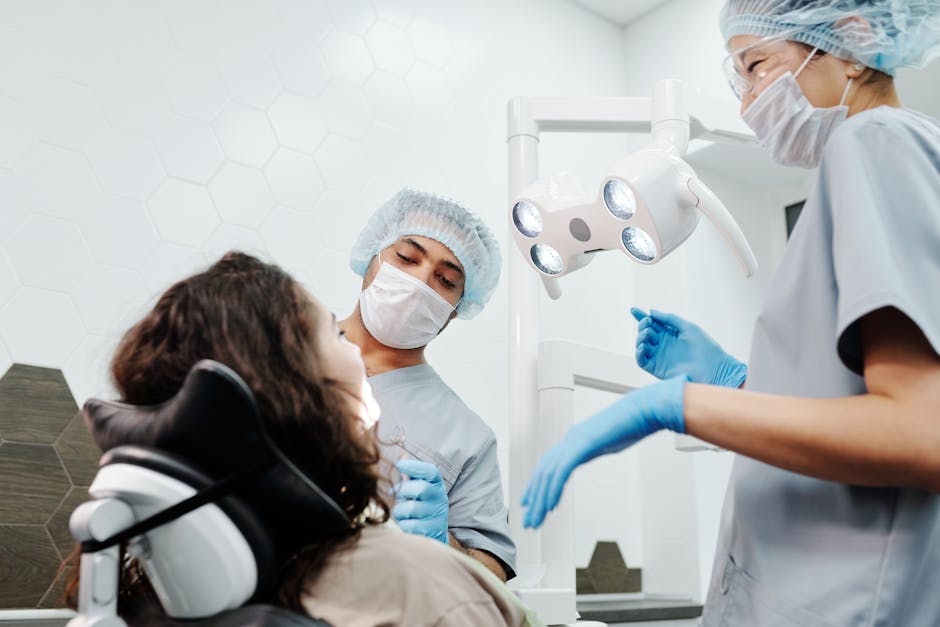
The extraction process begins with administering anesthesia to numb the area. For impacted teeth, the dentist may need to make an incision in the gum and remove some bone to access the tooth. The tooth might be removed in pieces if necessary. The area is then cleaned, and stitches may be used to close the incision.
What Should You Expect During Recovery?
Post-extraction, patients can expect some swelling and discomfort. Pain management typically involves over-the-counter pain relievers or prescription medication. It’s important to follow aftercare instructions, such as applying ice packs, eating soft foods, and avoiding strenuous activities. Most people recover within a week, but complete healing may take longer.
What Are the Possible Complications?
Complications are rare but can include infection, dry socket, or nerve injury. Dry socket occurs when the blood clot at the extraction site dislodges, causing pain. Following the dentist’s aftercare instructions can minimize risks. If complications arise, contacting the dentist promptly is crucial.
How Can You Prepare for the Procedure?
Preparation includes arranging a ride home due to the effects of anesthesia and planning for recovery at home. Stock up on soft foods and any prescribed medications. Understanding the procedure and recovery process can help reduce anxiety and ensure a smoother experience.
When Should You Contact the Dentist?
Contact the dentist if you experience excessive bleeding, severe pain, or signs of infection such as fever. Regular follow-up appointments may be necessary to monitor healing. Proper care and communication with the dental team can aid in a successful recovery.
Aftercare Tips for the First Few Days
- Gauze: Bite gently on gauze to control bleeding, following the instructions we give you.
- Swelling: Use a cold pack on the outside of your face during the first day.
- Pain relief: Take medications only as directed.
- Food: Stick to soft foods for a few days and avoid hot, spicy, or chewy foods.
- Cleaning: Rinse gently with warm salt water starting the day after, without forceful spitting, and avoid brushing right on the site at first.
- No smoking or straws: Both can disturb the healing socket and raise the risk of dry socket.
If bleeding won’t stop, pain gets worse after a few days, or you notice fever or pus, call (702) 228-1106 during office hours.
Need Immediate Dental Care?
If you’re facing dental issues, Urgent Dental in Las Vegas is here to help. Contact us today to schedule an appointment with Dr. Aaron Atwood and get the immediate care you need. Your oral health is our priority.
